
Playhouses
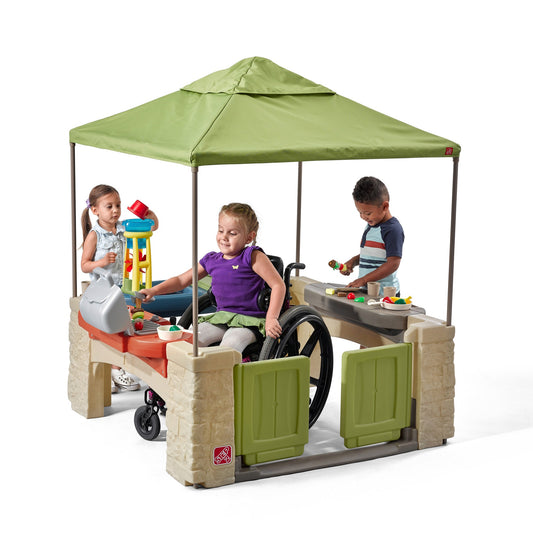
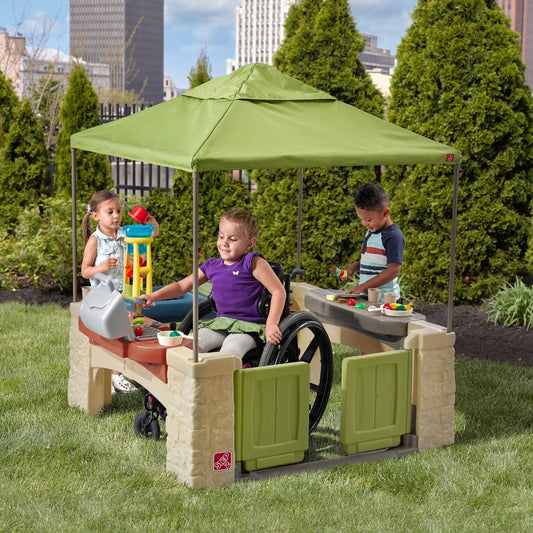
All Around Playtime Patio with Canopy™
Regular price
$229.99
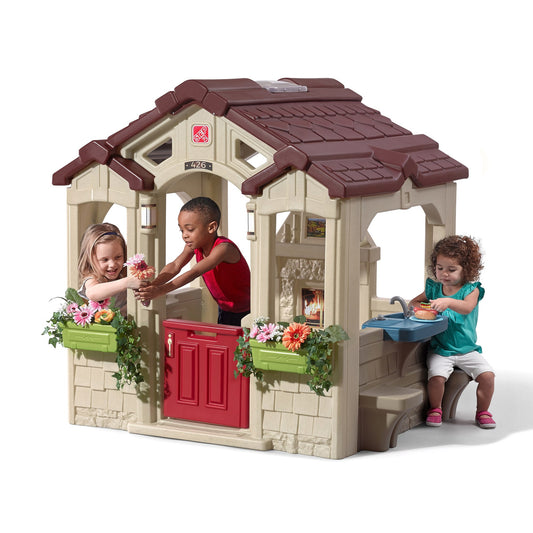
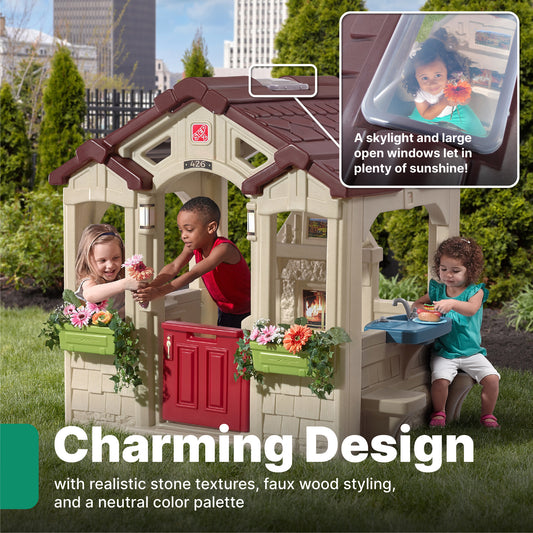
Charming Cottage™
Regular price
$599.99
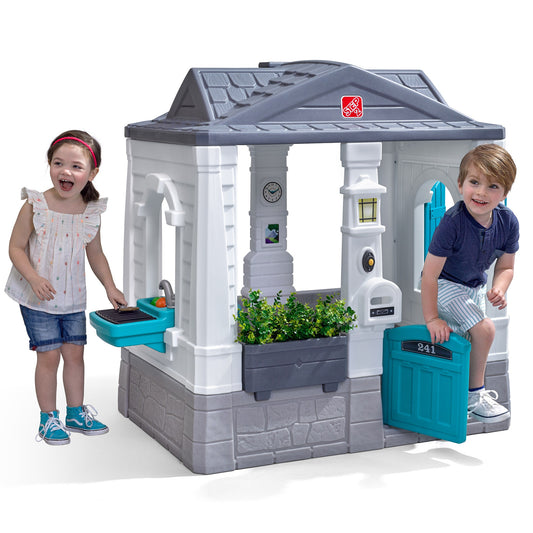
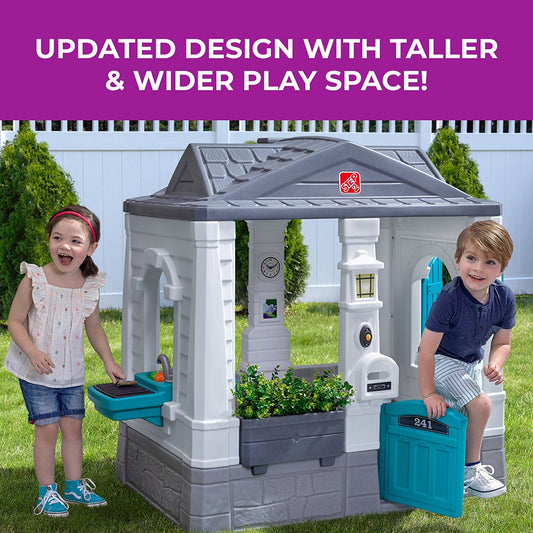
Neat & Tidy Cottage Homestyle Edition™
Regular price
$269.99

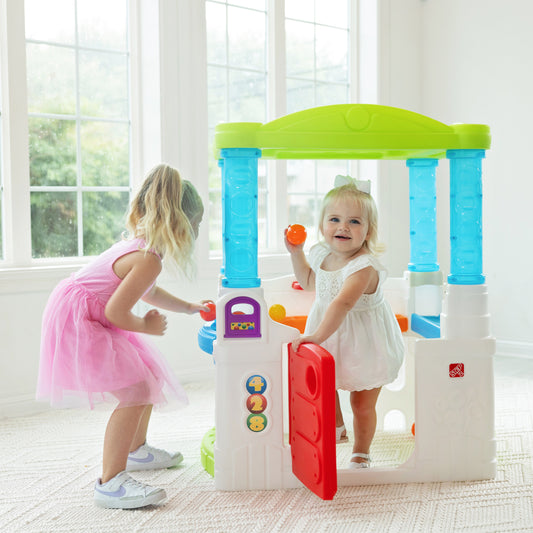
WonderBall Fun House™
Regular price
$179.99
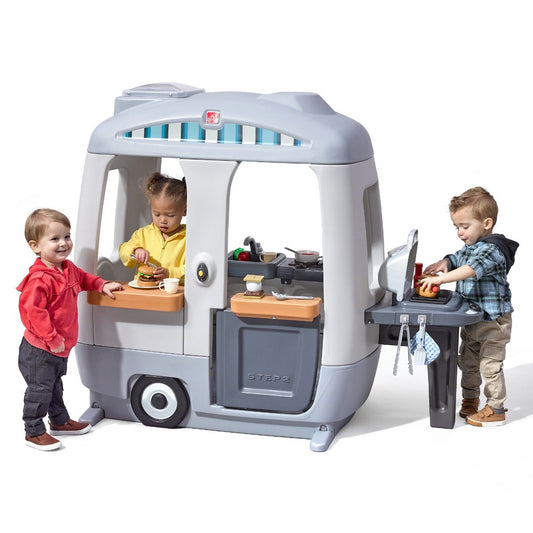
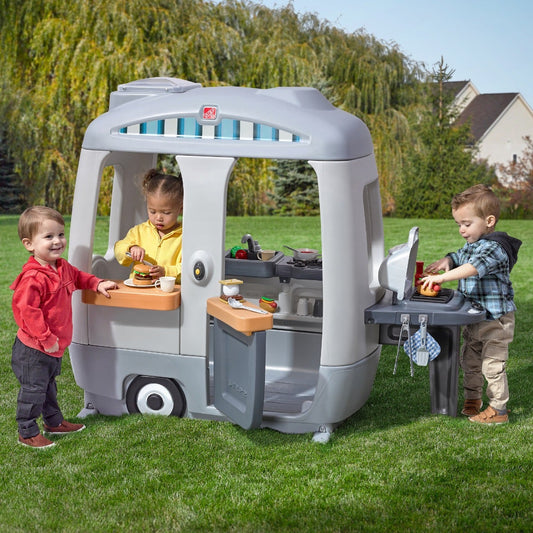
Adventure Camper™
Regular price
$349.99
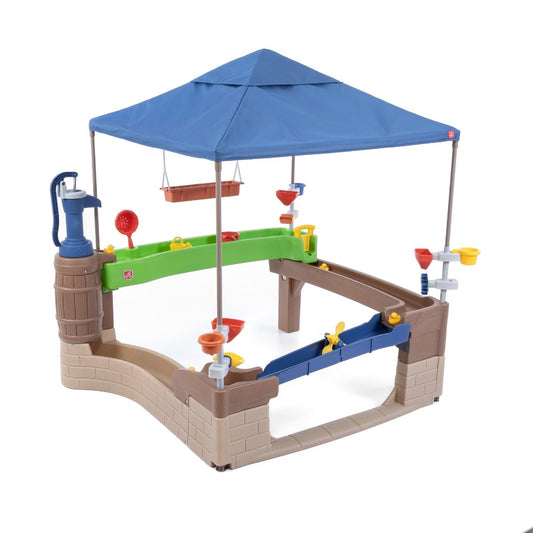
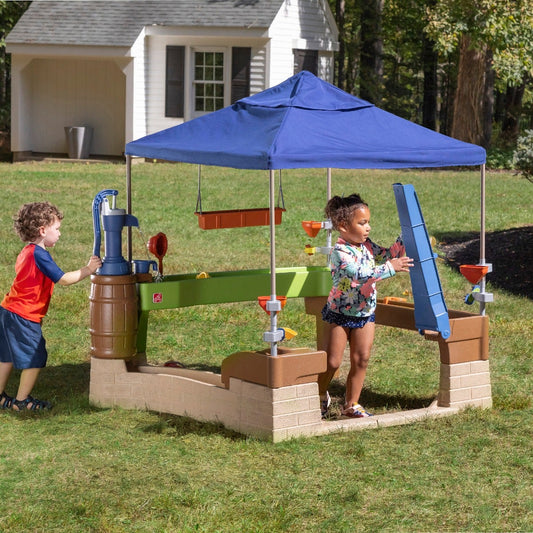
Pump & Splash Shady Oasis™
Regular price
$259.99
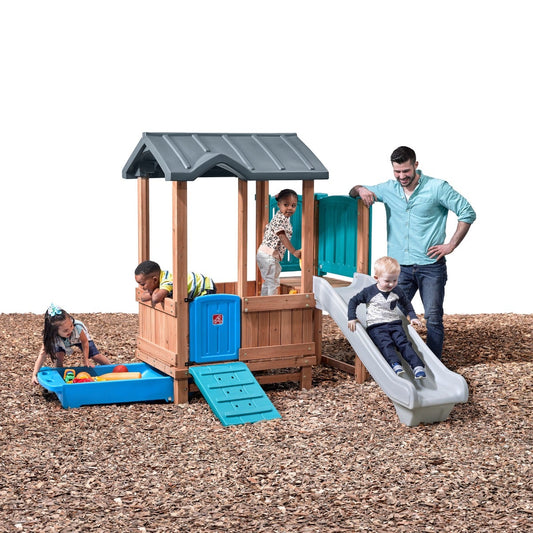
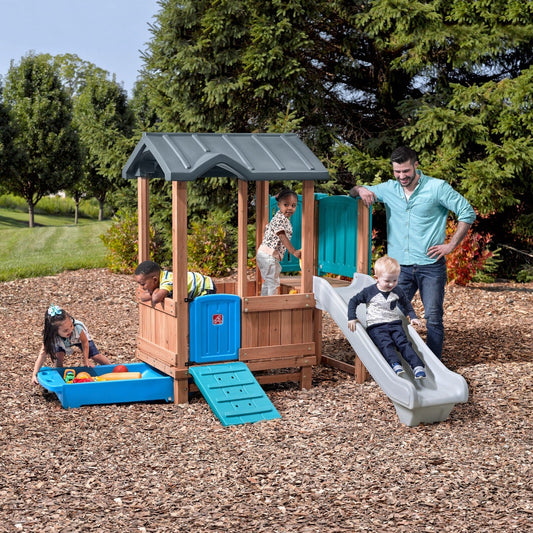
Woodland Adventure Playhouse & Slide™
Regular price
$699.99
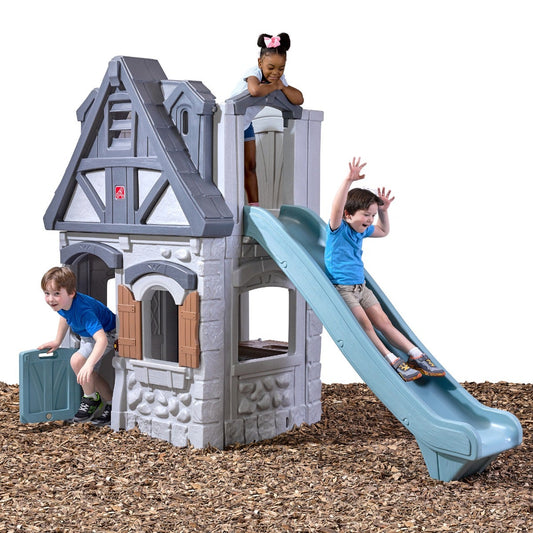
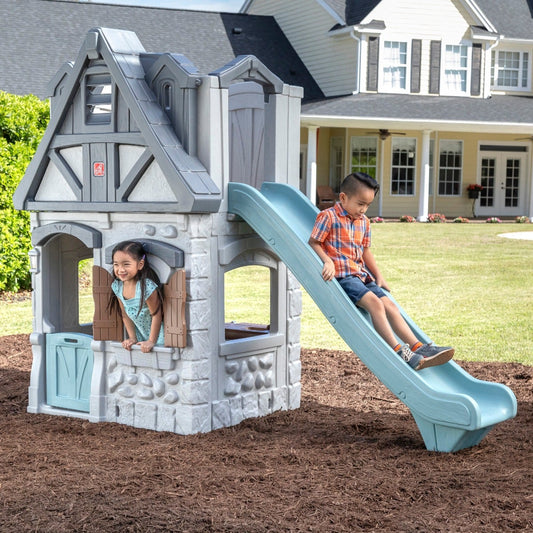
Enchanting Adventures 2-Story Playhouse & Slide™
Regular price
$1,029.99
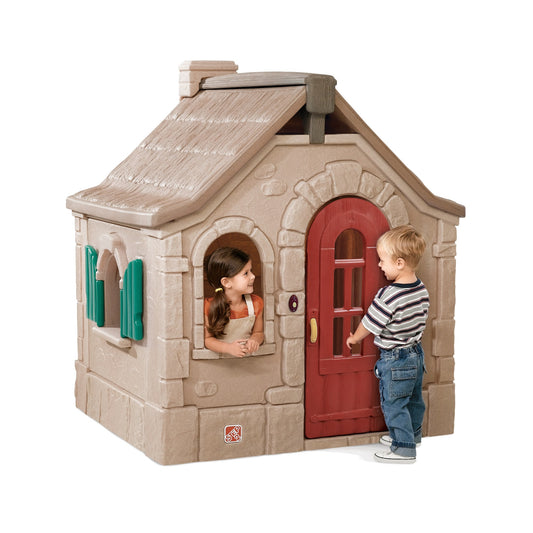
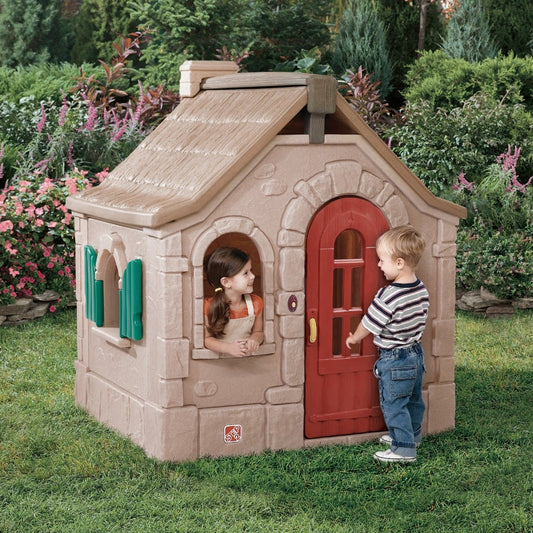
Naturally Playful™ StoryBook Cottage
Regular price
$729.99
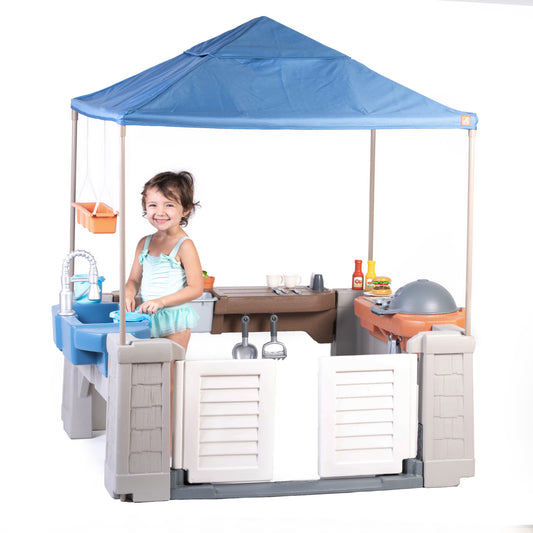
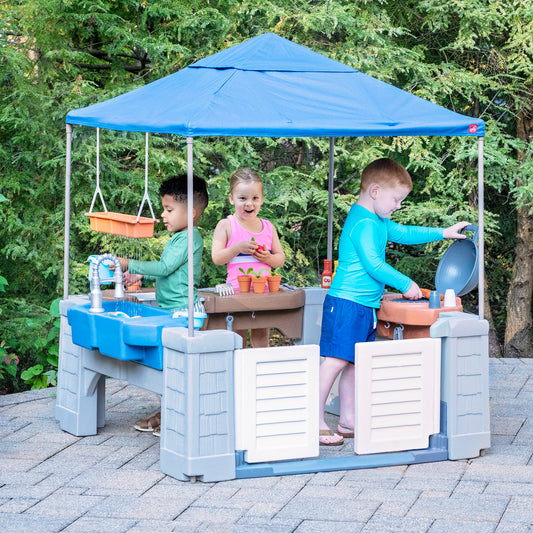
Grill & Splash Play Center with Canopy™
Regular price
$219.99

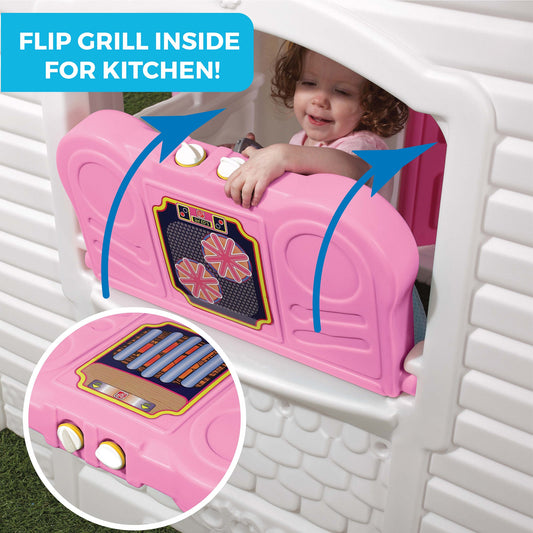
Sweetheart Playhouse™
Regular price
$499.99


All Around Play Pavilion™
Regular price
$229.99
FAQs About Playhouses
What age is best for a Step2 kids playhouse?
What age is best for a Step2 kids playhouse?
Most of our toddler playhouses are idea for ages 1.5-6, depending on the model. Please refer to the product manual for specific information.
Can plastic playhouses be used inside or outside?
Can plastic playhouses be used inside or outside?
Step2 playhouses can be used inside or outside, ensuring endless opportunities for imaginative play no matter the weather.
What makes a plastic playhouse better than a wood playhouse?
What makes a plastic playhouse better than a wood playhouse?
A plastic playhouse is lightweight, easy to clean, weather-resistant, and requires no ongoing maintenance. They are often a good choice for younger kids due to the rounded corners and softer materials.
What is a playhouse for kids?
What is a playhouse for kids?
A playhouse is a small, kid-sized structure designed to spark pretend play, imagination, and social interaction. Most kids' playhouses are sized for toddlers and preschoolers ages 18 months to 6 years and include features like working doors, windows, play kitchens, mailboxes, and doorbells. Step2 playhouses are made from durable, weather-resistant plastic for indoor and outdoor use, and many include interactive features that support imaginative play, role play, and early social skill development.
What age is a playhouse best for?
What age is a playhouse best for?
Most kids' playhouses are designed for ages 18 months to 6 years, with the best fit depending on the specific model and child's size. Step2 toddler playhouses typically start at 18 months, while larger playhouses with more interactive features stay engaging through age 5 or 6. Smaller cottage-style playhouses work best for younger toddlers, while playhouses with slides, climbers, or sound features hold older preschoolers' attention longer. Always check the individual product page for the exact age recommendation.
When do toddlers start pretend play?
When do toddlers start pretend play?
Most toddlers start pretend play between 18 months and 2 years old, though early signs of imaginative play can appear as young as 12 months. By age 2, toddlers often imitate everyday activities like cooking, talking on the phone, or caring for a doll. By ages 3 to 5, pretend play becomes more elaborate, with kids inventing storylines, taking on roles, and playing cooperatively with siblings or friends. Playhouses give toddlers and preschoolers a dedicated space to act out these scenarios.
Why is pretend play important for child development?
Why is pretend play important for child development?
Pretend play helps toddlers and preschoolers build language, problem-solving, empathy, and social skills by acting out everyday scenarios and taking on different roles. Early childhood researchers connect imaginative play to stronger executive function, vocabulary growth, and emotional regulation in young children. Playhouses, play kitchens, and other role-play toys give kids a structured space to practice these skills — from sharing the doorbell to taking turns cooking pretend meals. Even 20 to 30 minutes of pretend play a day can support healthy social and cognitive development.
What is the difference between a plastic playhouse and a wooden playhouse?
What is the difference between a plastic playhouse and a wooden playhouse?
A plastic playhouse is lightweight, weather-resistant, and requires almost no ongoing maintenance, while a wooden playhouse tends to be heavier, requires sealing or staining over time, and is generally better suited for older kids. Plastic playhouses are often a better choice for toddlers and preschoolers because the rounded corners and smoother surfaces are easier on little hands. Step2 plastic playhouses are designed for indoor and outdoor use and built to resist chipping, fading, cracking, and peeling for years of daily play.
Can a plastic playhouse be used indoors and outdoors?
Can a plastic playhouse be used indoors and outdoors?
Yes, most Step2 plastic playhouses are designed for both indoor and outdoor use. Outdoors, the durable, weather-resistant plastic holds up to sun, rain, and seasonal temperature changes. Indoors, the same playhouse works in a playroom, basement, or covered patio for year-round play. The lightweight construction makes it possible to move the playhouse between locations as needed, and most models assemble without permanent installation — so kids can use the same playhouse in any space your family chooses.
How do you clean and maintain a plastic playhouse?
How do you clean and maintain a plastic playhouse?
To clean a plastic playhouse, wipe down all surfaces with a damp cloth and mild soap, then rinse with fresh water. For tougher dirt, use a soft-bristle brush — avoid abrasive scrubbers or harsh chemicals that can scratch the plastic finish. Step2 playhouses are built to resist chipping, fading, cracking, and peeling, so regular cleaning is usually all that's needed to keep them looking new. For extended outdoor use, cover the playhouse during heavy storms or extreme weather, and check the door, shutters, and hardware periodically for wear.
Do plastic playhouses need to be anchored?
Do plastic playhouses need to be anchored?
Most Step2 plastic playhouses are designed to sit safely on a flat surface without permanent anchoring, thanks to their wide, sturdy bases. For outdoor use in windy areas or on uneven ground, some parents choose to add ground anchors or sandbag the base for added stability. Always place the playhouse on a level surface like grass, a patio, or a deck — avoid steep slopes or loose gravel. Check the product manual for any model-specific setup recommendations.
What features should I look for in a kids' playhouse?
What features should I look for in a kids' playhouse?
The best features for a kids' playhouse depend on age and play style. Toddler playhouses work best with simple interactive elements like working doors, doorbells, and pass-through windows that encourage hands-on exploration. Preschoolers tend to enjoy playhouses with role-play features like molded-in kitchens, mailboxes, and seating for multiple kids. Look for playhouses made from durable, weather-resistant plastic with rounded edges, smooth surfaces, and easy-to-clean designs. Step2 playhouses include realistic touches like Dutch-style doors, working shutters, electronic doorbells, and pretend kitchen setups for layered pretend play.
