


Sand & Water Play
-
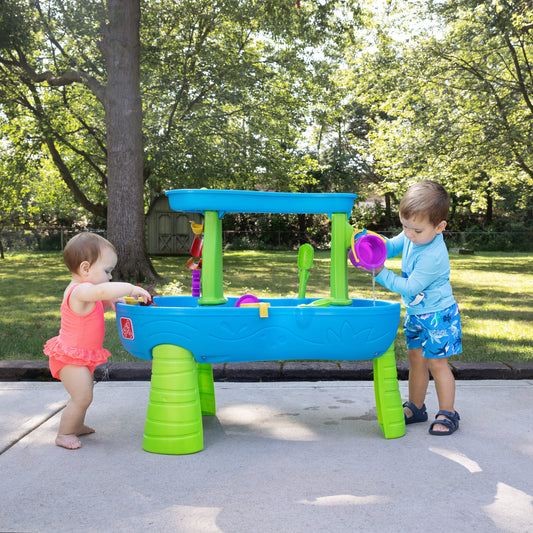
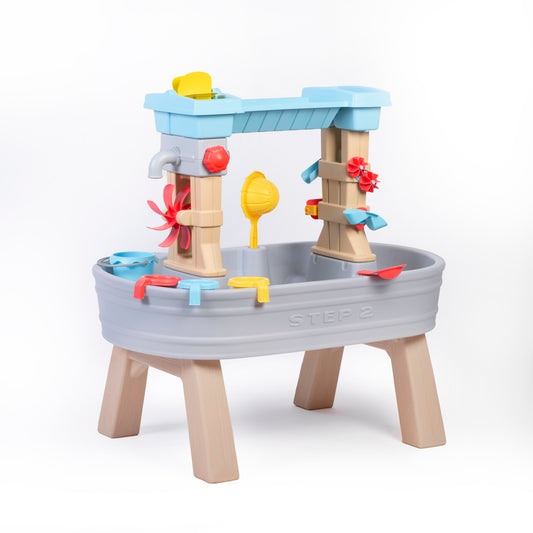
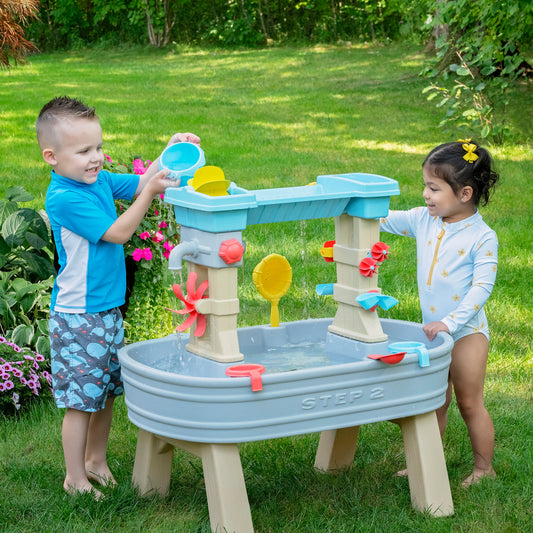
Rain Showers Splash Pond Water Table™
Regular price $89.99Regular priceUnit price per -
Sunny Day Splash Water Table™ with CoolBreeze™ Misting Canopy


Sunny Day Splash Water Table™ with CoolBreeze™ Misting Canopy
Regular price $169.99Regular priceUnit price per -
Putt & Splash Adventure Center™
Regular price $169.99Regular priceUnit price per -
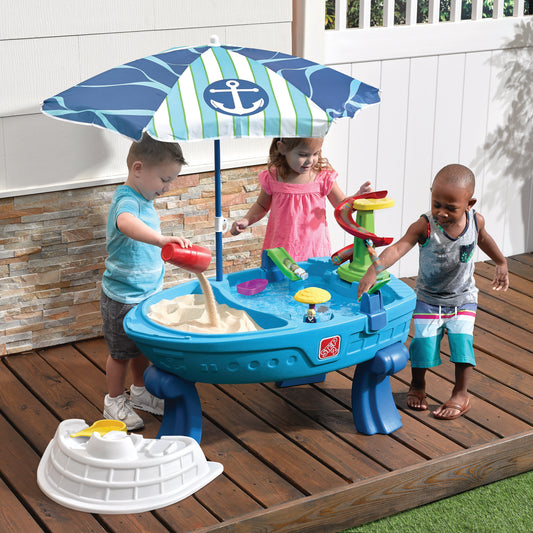
Fiesta Cruise Water Table with Umbrella™
Regular price $99.99Regular priceUnit price per -
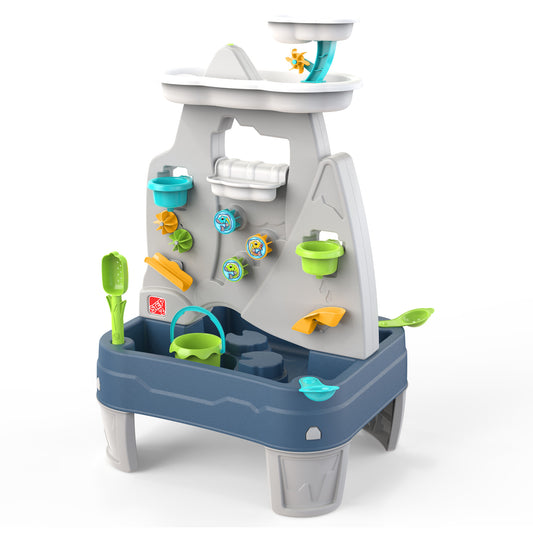
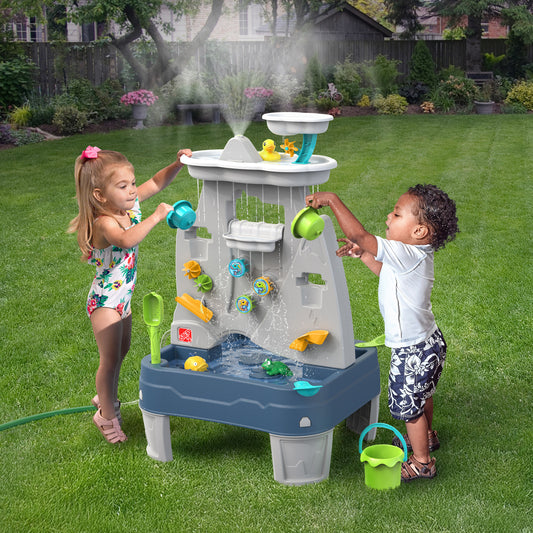
Misting Mountain & Waterfall™
Regular price $119.99Regular priceUnit price per -
Rain Showers & Flow Water Table™
Regular price $119.99Regular priceUnit price per -
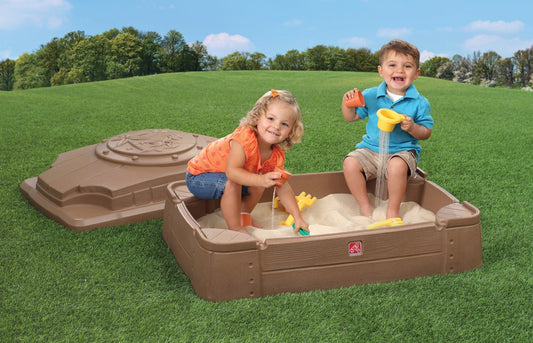
Play & Store Sandbox™
Regular price $104.99Regular priceUnit price per -
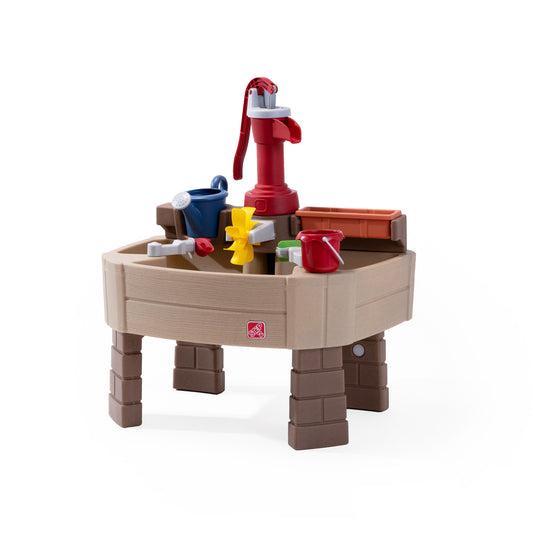
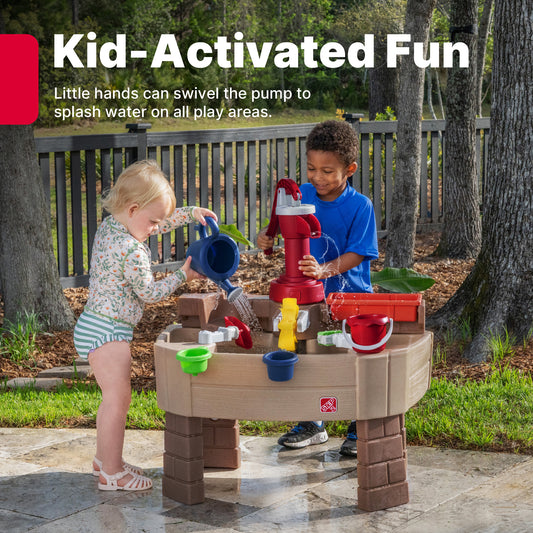
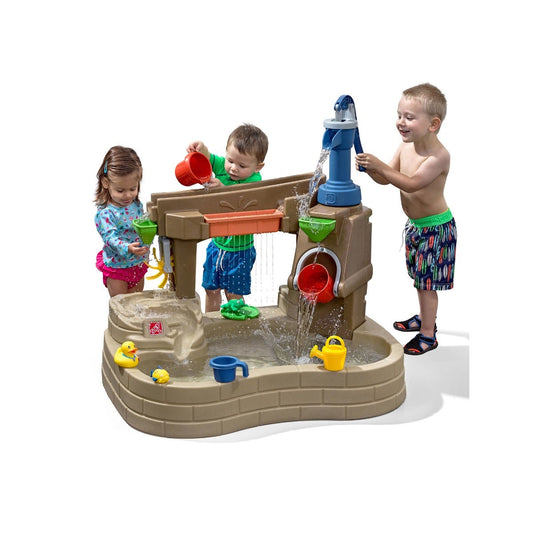
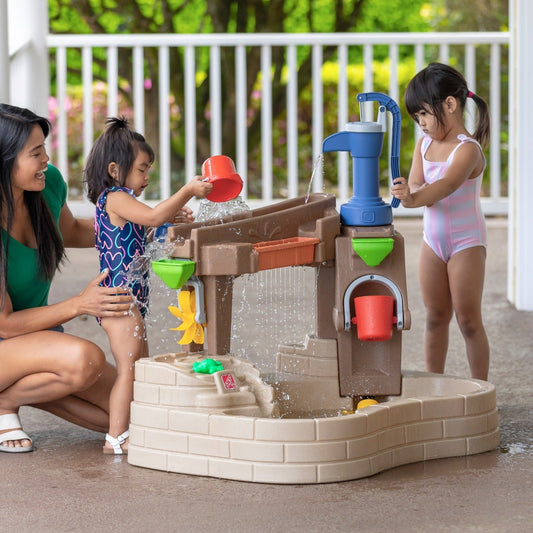
Pump & Splash Discovery Water Table™
Regular price $139.99Regular priceUnit price per -
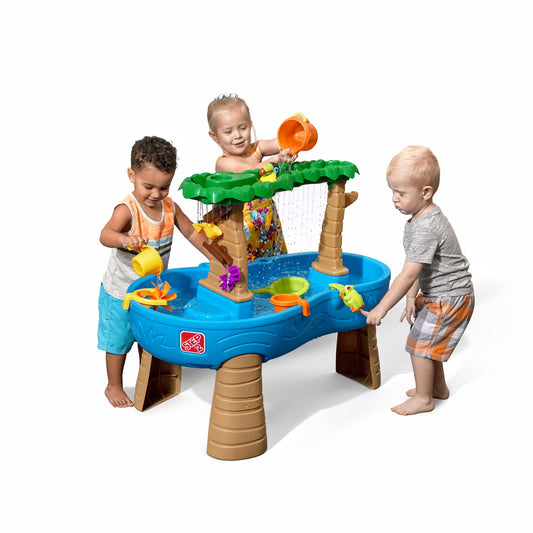
Tropical Rainforest Water Table™
Regular price $89.99Regular priceUnit price per -
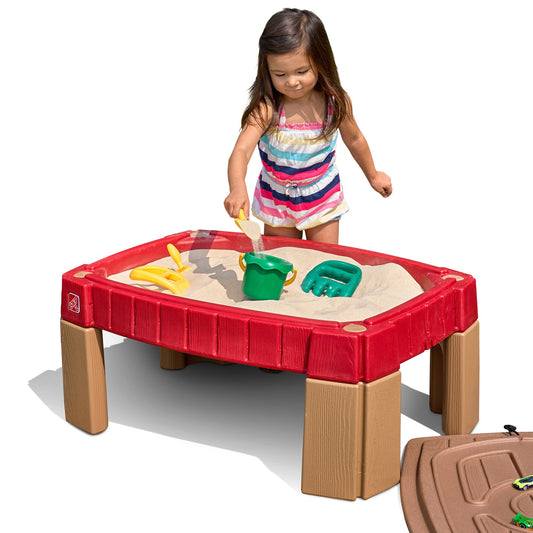
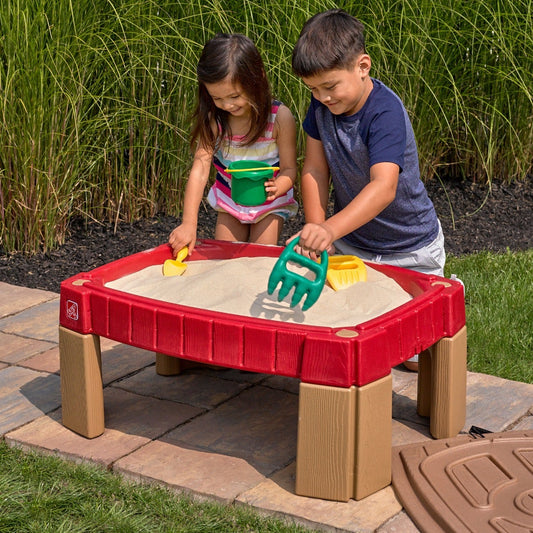
Naturally Playful Sand Table™
Regular price $89.99Regular priceUnit price per -
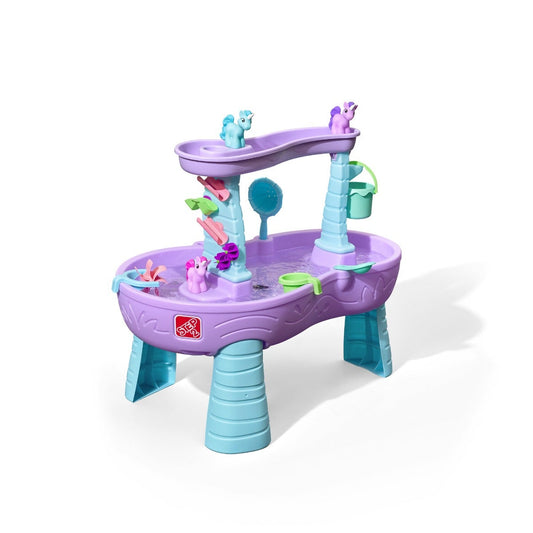
Rain Showers & Unicorns Water Table™
Regular price $94.99Regular priceUnit price per -
Pump & Splash Discovery Pond™
Regular price $169.99Regular priceUnit price per -
Kids water table with colorful toys, accessories, and folded black cover on a white background

Rain Showers Splash Pond Water Table™ with Cover
Regular price $109.99Regular priceUnit price per -
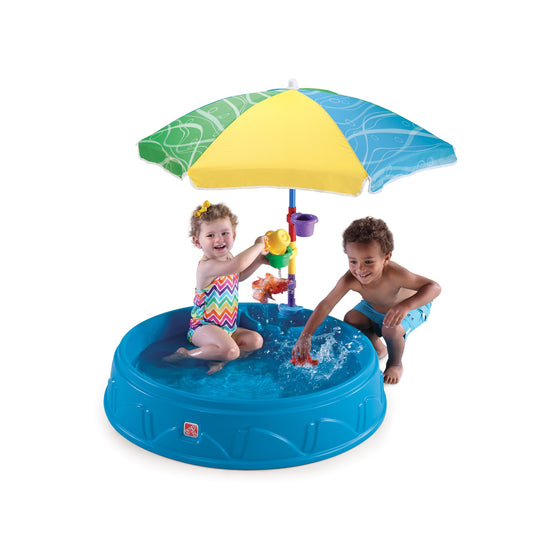
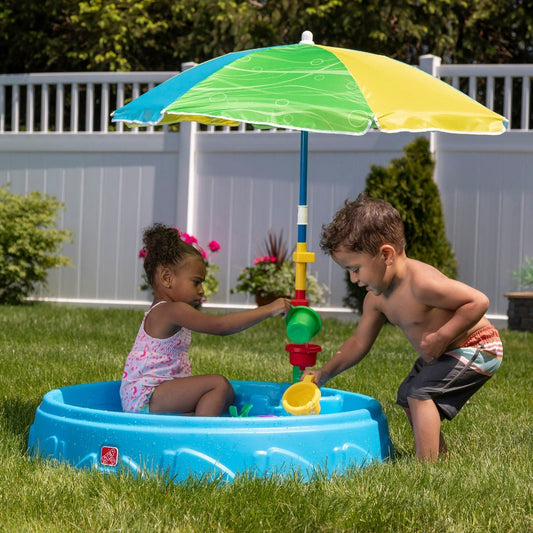
Play & Shade Pool™
Regular price $104.99Regular priceUnit price per -
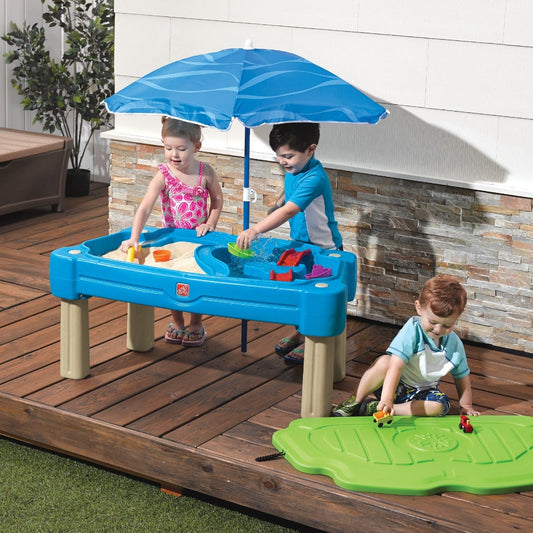
Cascading Cove Sand & Water Table™
Regular price $111.99Regular priceUnit price per








FAQs About Sand & Water Play
What is a water table for kids?
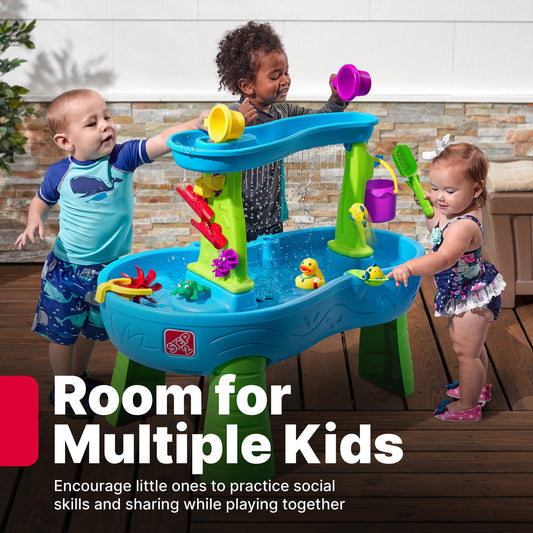
A water table is a freestanding play table with a shallow basin that holds water, designed for toddlers and preschoolers ages 18 months and up. Kids splash, scoop, and pour while building fine motor skills, hand-eye coordination, and early STEM concepts like cause and effect. Most kids' water tables hold between 3 and 16 gallons of water and include accessories like cups, character figures, or themed pieces. Some Step2 sand and water tables feature a divided basin for sand on one side and water on the other.
What is a sensory table?
A sensory table is a low play table with a contained basin where toddlers and preschoolers explore textures, materials, and motion through hands-on play. Common fillers include water, play sand, rice, dried beans, or kinetic sand. Sensory tables engage multiple senses at once — touch, sight, sound, and movement — which supports fine motor skills, language, and focus. Many Step2 sensory tables work as both water tables and sand tables, so kids can play outdoors with water in summer and indoors with rice or pasta year-round.
What age is a water table best for?
Water tables are best for kids ages 18 months to 5 years, with most Step2 models recommending ages 18 months and up. Toddlers as young as 18 months can use a water table with adult supervision, while ages 2 to 5 typically get the most independent play value. Multi-tier and pump-style water tables stay engaging through age 6. Always check the individual product page for the exact age recommendation, since each Step2 water table lists a specific age range based on its design.
Why is sensory play important for toddlers?
Sensory play gives toddlers and preschoolers hands-on practice with scooping, pouring, sorting, sharing, and exploring textures. It helps build fine motor skills, language, problem-solving, and self-regulation by engaging multiple senses at once. Even 15 to 20 minutes of focused sensory play a day gives kids practice with cooperative play and creative thinking. Sand and water tables are especially effective because they offer open-ended materials with no “right” way to play — see how a water table can boost early STEM learning for more on the developmental benefits.
What is a splash pad and how is it different from a water table?
A splash pad is an outdoor water play surface that sprays water from below, usually connected to a garden hose for continuous flow. A water table is a raised, freestanding basin that holds standing water for splash, scoop, and pour play. Both fit toddlers and preschoolers ages 18 months and up. Splash pads work best in larger yards with hose access; water tables fit smaller spaces with a self-contained 3 to 16 gallons. Some Step2 water tables also include an optional hose attachment for added water-flow effects.
How do you keep bugs and animals out of a sandbox?
The simplest way to keep bugs, ants, and outdoor animals out of a sandbox is to cover it after every play session. Some Step2 sandboxes and sand tables include a fitted lid that helps protect the sand from weather, debris, and pests. Rake or stir the sand weekly to keep it loose and dry, since damp sand attracts more pests. For added protection against ants, some homeowners use cinnamon or used coffee grounds along the outside edges; test a small area first and follow normal cleanup habits.
How much sand do you need for a sandbox or sand table?
A small sand table holds about 10 to 25 lbs. (4.5 to 11 kg) of play sand. A standard backyard sandbox typically takes 150 to 300 lbs. (68 to 136 kg), or roughly 3 to 6 fifty-pound bags depending on the model. Each Step2 sandbox and sand table lists its exact “Basin Capacity” or “Sand Capacity” on the product page — for example, the Naturally Playful Sand Table holds up to 40 lbs. of sand. Always check the spec before buying sand to avoid overfilling.
What kind of sand is best for a sandbox or sand table?
The best sand for a sandbox or sand table is labeled play sand. Look for washed, screened sand made for children's play areas, and follow the bag's handling and storage instructions. Play sand is sold at most hardware and home improvement stores in 50-lb. (22.7 kg) bags. Avoid construction sand, masonry sand, and beach sand, which can contain dust, debris, or other materials not intended for kids' play. Store sand dry between uses to prevent clumping.
How do you clean and maintain a water table?
To keep a water table clean, drain the basin after every play session and let it air dry to prevent algae, mildew, and buildup. Most Step2 water tables include non-leak drain plugs — pull the plug, tip the table to drain, then wipe the basin with a damp cloth and a small amount of mild dish soap before refilling with fresh tap water. Avoid leaving standing water in the basin between uses, especially in warm weather. For longer storage, dry the table fully and keep it in a covered area. See our full guide to cleaning Step2 toys, planters, and pool furniture for more care tips.
